
A note on Fantasy in Young Children’s Lives
Primary’s favourite Catalan teacher, Cèlia recently finished a course about “El món de la fantasia i la imaginació: la literatura infantil i juvenil” (Big Congratulations to Cèlia!) This is a fantastic topic for Primary students who are biologically equipped for the world of fantasy. We often associate fantasy with the early years where princesses, dragons and unicorns are common themes in books for the under 6’s. But is fantasy something our 0 - 6 children need or are ready for? The Infant Community Guides would like to tell you more…
We would like to share with you some interesting ideas about the Montessori attitude towards the concept of fantasy. Fantasy is the stories and ideas drawn from a world that does not exist (those fairies, dragons, talking horses, etc.). Imagination is the ability to conjure images or scenarios in one’s mind, separate from present sensorial input. So, what is the difference?
Fantasy is giving wooden fruit to play with instead of a real banana to slice. Fantasy is reading a book about a talking dog rather than reading a book about the different breeds of dogs around the world. Imagination is a child on the playground pretending they are an eagle because they saw a live one for the first time that weekend. Imagination is children playing ‘family’ because they are driven to practice the roles that are modelled for them in their own homes.
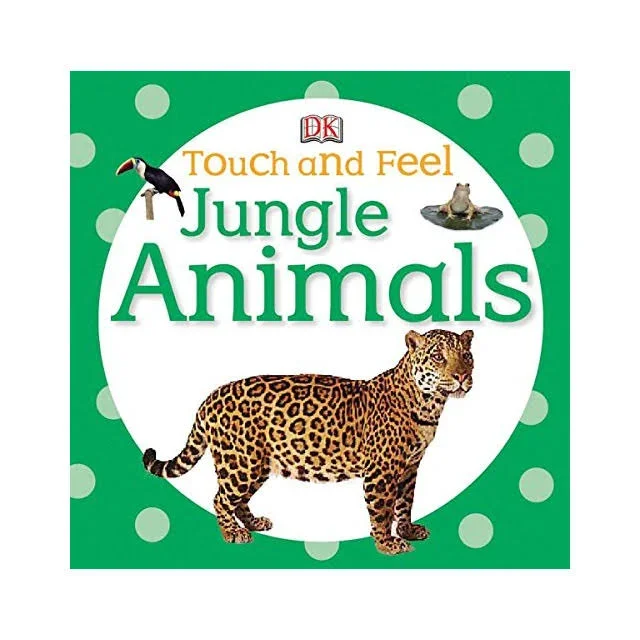
Non-fantasy book about animals for Infant Community
Imagination is inherent in the human mind. It’s where our creativity comes from, and it’s one of the ways we process learning about the amazing world around us.
Our perspective asserts that in a young child’s life, everything they encounter is awe-inspiring and fills them with wonder. We need not tell them tales of unicorns, in part because they often have a hard time distinguishing between whether they are real or not, but also because an actual horse is just as fantastic to them. When the whole world is still relatively brand-new, animals, plants, the environment, and real people provide more than enough inspiration for their young minds.
We all know that even very young children utilise their imaginations. This is a normal and natural part of the development which we value and honour. We would just rather give our students real, authentic opportunities as opposed to presenting them with fake ones. We know that a three-year-old is fully capable of learning basic food preparation skills, so we guide them and leave them with a sense of empowerment. A toddler is old enough to begin learning how to sweep up a mess on the floor. Rather than supplying a toy cleaning set, we make available real cleaning tools that are appropriately sized, and we guide young children as they learn to use them effectively.
“(The young child) cannot distinguish well between the real and the imaginary, between things that are possible and things that are merely ‘made up.” – Dr Montessori, Times Education Supplement, 1919
A child who spends too much time in a world of fantasy may find it difficult to relate to others, to interact in a group, to be in the here and now. It can also be very scary for the child.
Montessori philosophy believes that everything has a time or moment, and the time for unrestrained fantasy comes much later (after 6 years old). Early exposure to fairy tales may lead to the development of a fantasy-prone personality. That means, the person withdraws from the challenges of adult life and prefers to focus on their imagination.
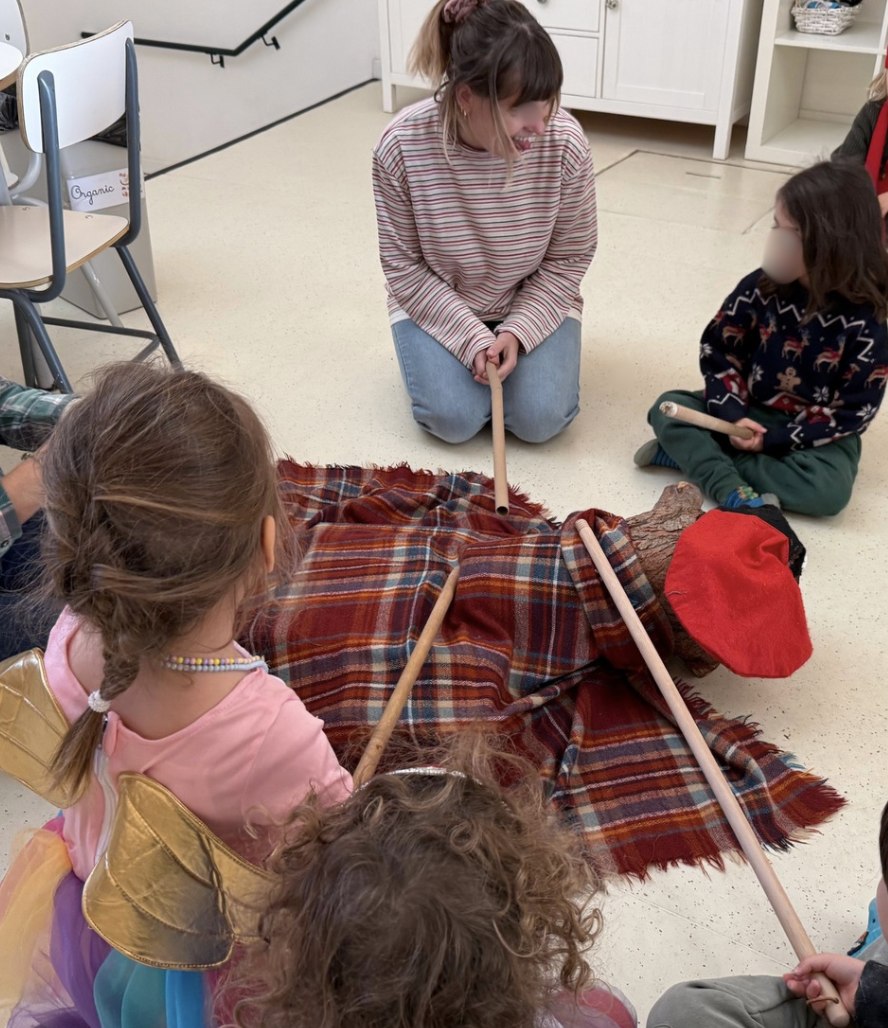
Whilst fantasy can be enjoyable for children and forms an important part of many cultures (we know that Santa and El Tio are important traditions that bring joy to many families), it is important to recognise that some fantasies can be frightening for children, particularly when it involves war play or monsters. Often children who engage in this play can frighten or upset other children and even themselves with their fantasies.
What we notice in the classroom is certain children are very lost in these worlds, they believe they are these characters and spend a lot of time acting out the fantasy they see in the television rather than engaging in work that develops them and socialising with their peers.
You can help your child by offering opportunities to read realistic books, watch TV programs based on reality (documentaries) and play with real objects (avoiding TV programs with action and animated characters). You can also help by encouraging safe, constructive (as opposed to destructive) games. Children can work with others in a cooperative way, being respectful towards others and learning how to model positive behavior while using the power of their imagination.
