

Ways to keep up with Montessori over the summer in 0 - 3
As we head into the final stretch of the school year, we wanted to share a few ideas for continuing Montessori practices over the summer. It is not about recreating the classroom materials, but about encouraging your child’s independence and self-regulation skills. Even very young children are capable of becoming more self-reliant in small but meaningful ways.
Healthy routines are an important part of this. Our bodies thrive on rhythm, and establishing habits such as balanced meals, adequate rest, and a consistent daily routine helps children feel secure and regulated. While summer naturally brings more flexibility, try to maintain regular mealtimes, naps (if they still take them), and sleep schedules as much as possible. Rest and nutrition are essential for children to grow, learn, and process new experiences.
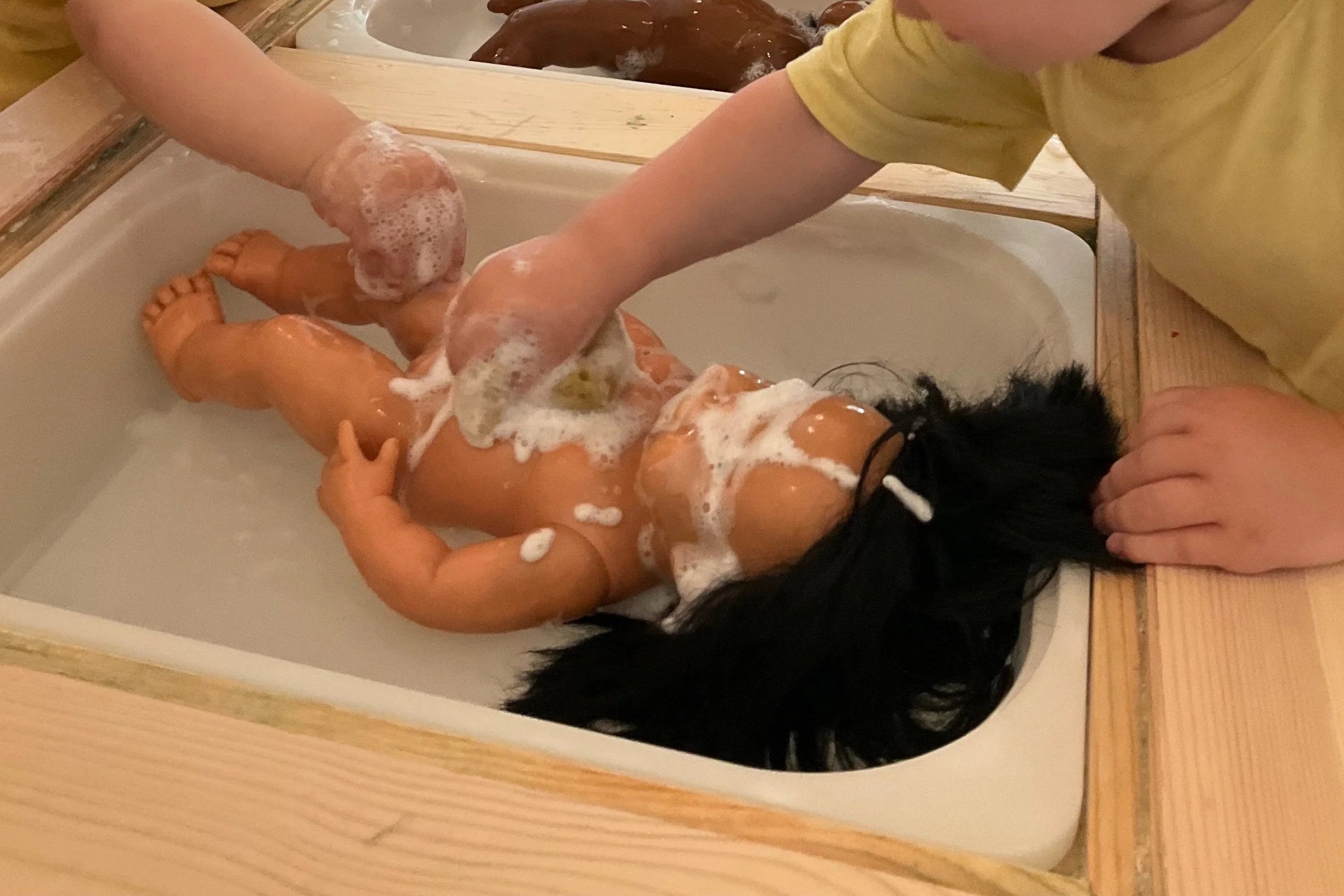
Another important way to support your child is by allowing them to do more on their own. Give them opportunities to play, explore, and solve small problems independently, without constant adult intervention. Simple activities are often the most meaningful: playing with water, exploring textures, or engaging with everyday objects can foster concentration, creativity, and confidence. Overly complicated, adult-directed activities can sometimes make children more dependent on adult assistance.
We also strongly encourage limiting screen time, especially for children under three years old. Screens can interfere with creativity, concentration, and social development. When children need quiet independent time, alternatives such as books, sensory play, or simple exploratory activities are much more beneficial.
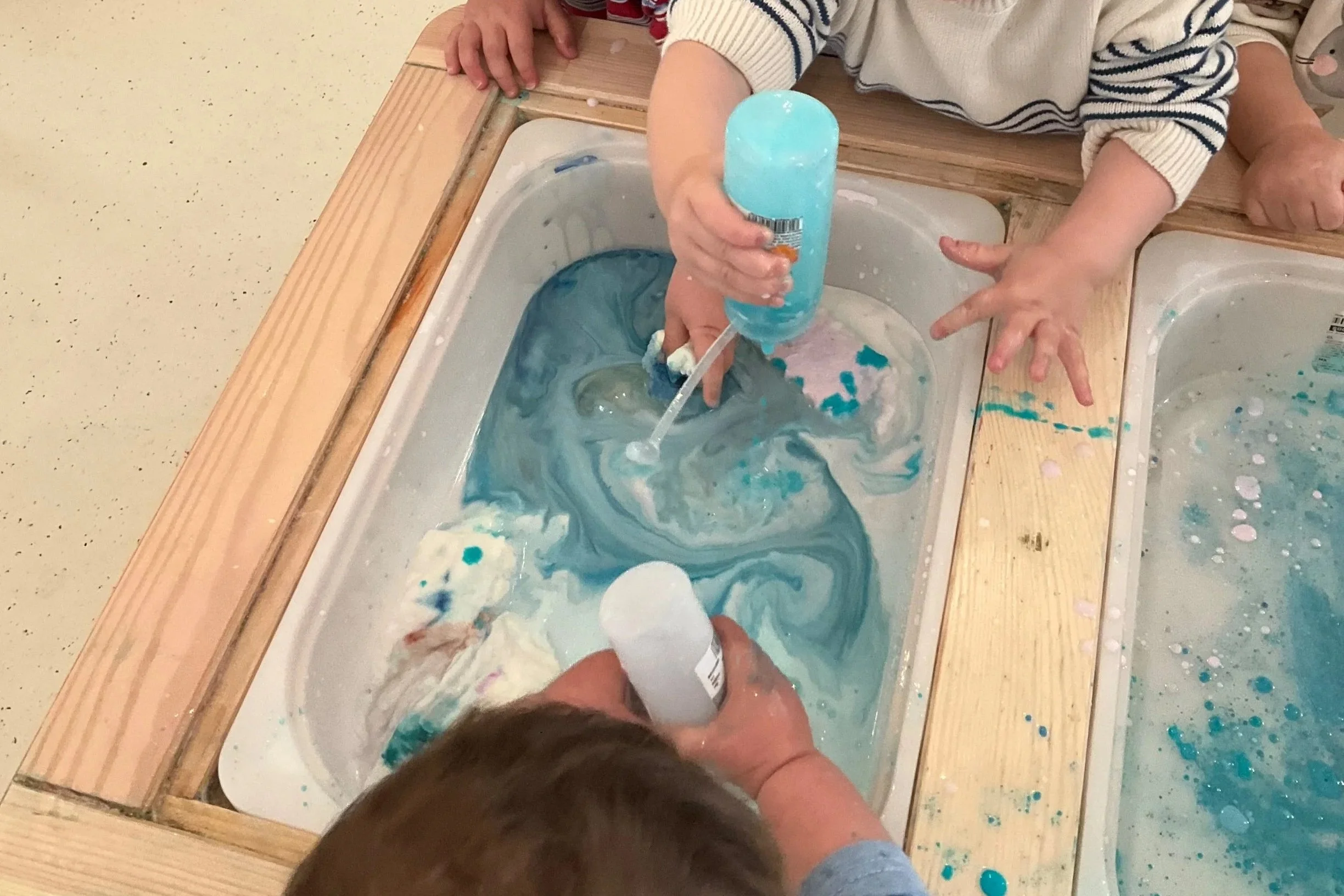
The overall goal is to help children develop confidence in their own abilities. Try to step back when possible and allow them to learn through trial and error, even during small conflicts or frustrations. These moments are valuable opportunities for growth and problem-solving.
For very young children, independence may simply mean involving them in daily routines. For example, offering two outfits and allowing them to choose helps them feel included and capable. This is also why we change diapers standing up at school whenever possible, so the child actively participates rather than remaining passive. Small opportunities for participation build confidence over time. Be creative, and trust in all the things your child is capable of doing.
