

Summer: A Time to Practise Life Skills
As we approach the end of another school year, many families are looking forward to a slower pace, holidays, and more time together. While summer is certainly a time for rest, fun, and making memories, it is also a wonderful opportunity for children to continue developing important life skills.
During the school year, children spend much of their time following established routines and expectations. Summer often brings new environments, different schedules, family trips, playground visits, restaurants, airports, beaches, and gatherings with friends and relatives. These everyday experiences create countless opportunities for children to practise skills such as listening, following directions, staying safe, waiting patiently, managing disappointment, showing responsibility, and solving problems independently.
As parents, it can be tempting to focus on correcting unwanted behaviour when challenges arise. However, some of the most valuable learning happens before those difficult moments occur.
Imagine this situation.
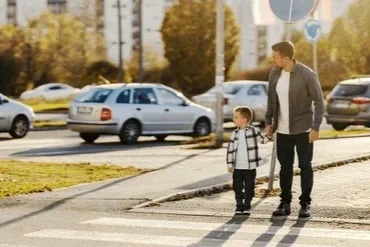
A parent receives a phone call from their partner during the day. Their young child has run away from an adult at the park. Thankfully, nothing serious happened, but everyone agrees that running away is a significant safety concern.
That evening, the parent speaks calmly with the child about what happened. They explain why staying close to an adult is important and establish a clear consequence should it happen again. Later, when walking together, the child attempts to run away once more. The parent immediately intervenes, follows through with the consequence, and keeps the interaction calm and matter-of-fact.
The child is upset. There are tears, frustration, and promises that it will never happen again. Like many parents, the adult wonders whether they are being too strict. However, they remain consistent because safety is not negotiable.
The next day, something important happens.
Before leaving the house, the parent reviews the expectation: "When we are out, you stay close to me." They practise together. They talk about what staying safe looks like. Throughout the outing, the child stays nearby, and the parent notices and acknowledges this success.
Over the following weeks, the behaviour improves significantly.
What made the difference?
Many of us assume that consequences are what change behaviour. Yet consequences alone rarely teach a child what to do. They simply communicate what not to do.
Children learn best when we actively teach the behaviour we want to see. This means:
• Clearly explaining expectations before problems occur.
• Practising important skills when children are calm and ready to learn.
• Consistently reinforcing positive choices.
• Following through calmly and predictably when boundaries are crossed.
When adults focus only on reacting to mistakes, it can feel as though we are constantly putting out fires. However, when we invest time in teaching and practising expectations ahead of time, children are much more likely to succeed.
This principle applies not only to safety but also to everyday situations at home and at school: walking respectfully through corridors, taking turns in conversations, solving conflicts peacefully, completing responsibilities, and showing kindness to others.
As educators and parents, our role is not simply to correct behaviour when things go wrong. Our role is to teach. Teaching takes time, repetition, patience, and opportunities to practise.
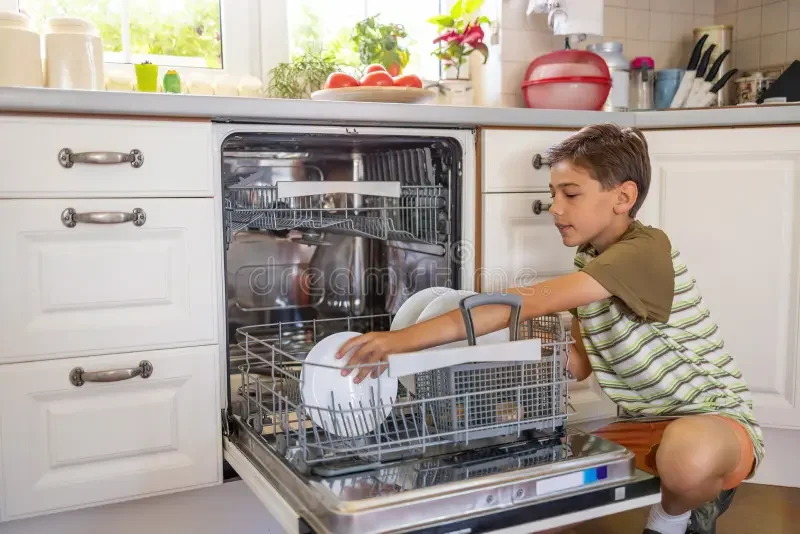
This summer, consider choosing one or two skills that you would like your child to strengthen. Perhaps it is greeting others politely, helping with household responsibilities, staying close in public places, managing frustration appropriately, or following instructions the first time. Talk about the expectation, model it, practise it together, and recognise your child's efforts when they succeed.
Sometimes this means holding firm boundaries, even when children are unhappy about them. Children do not need adults who are afraid to disappoint them; they need adults who are willing to guide them. While warm and trusting relationships are essential, our primary responsibility is not to be our children's friends. It is to be their parents and teachers.
We wish all of our families a happy, restful summer filled with wonderful memories and meaningful opportunities for growth.
